Dating Sites for Widows in the UK

A practical guide to choosing a dating site, writing your first profile and meeting safely after bereavement.

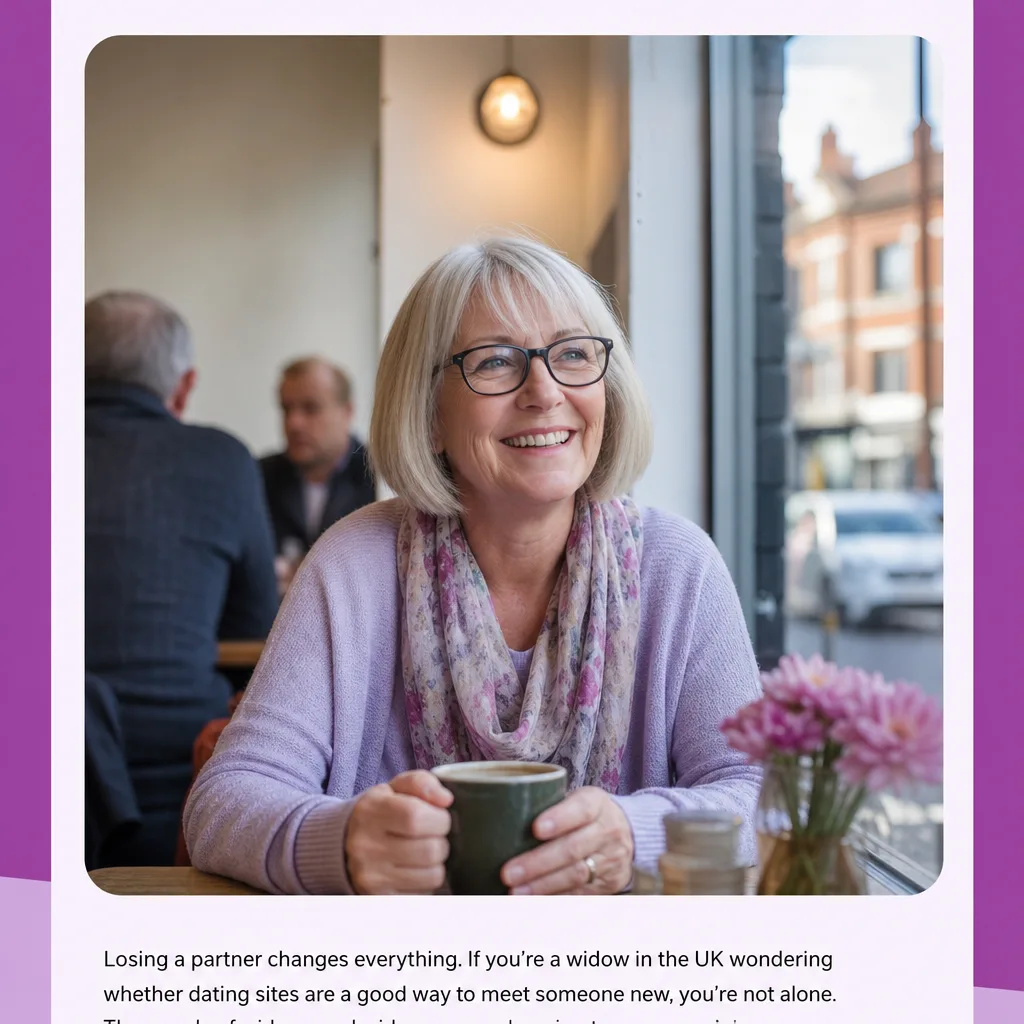
You open the registration page, reach the question marked “relationship status”, then close it again. Plenty of widows and widowers begin there. Dating after bereavement can feel hopeful, awkward and disloyal in the space of one evening, but there is no approved timetable and no need to make a grand commitment. Start with a profile, a conversation or a short coffee. That is enough.

Looking for company does not erase the person you lost. It simply recognises that your life is still being lived.

Choosing the right UK dating site after bereavement

Most searches for dating sites for widows in the UK produce ranked lists full of sign-up buttons. The rankings rarely answer the useful question: will this particular service help you meet genuine people nearby without making payment, privacy or cancellation needlessly difficult?

There are three broad choices. Specialist widow and widower sites put bereavement in the open from the beginning. That can remove an awkward explanation, and members may better understand that a late spouse remains part of your history. The drawback is scale. A site can claim thousands of members while having very few active people in your age range or part of the UK.

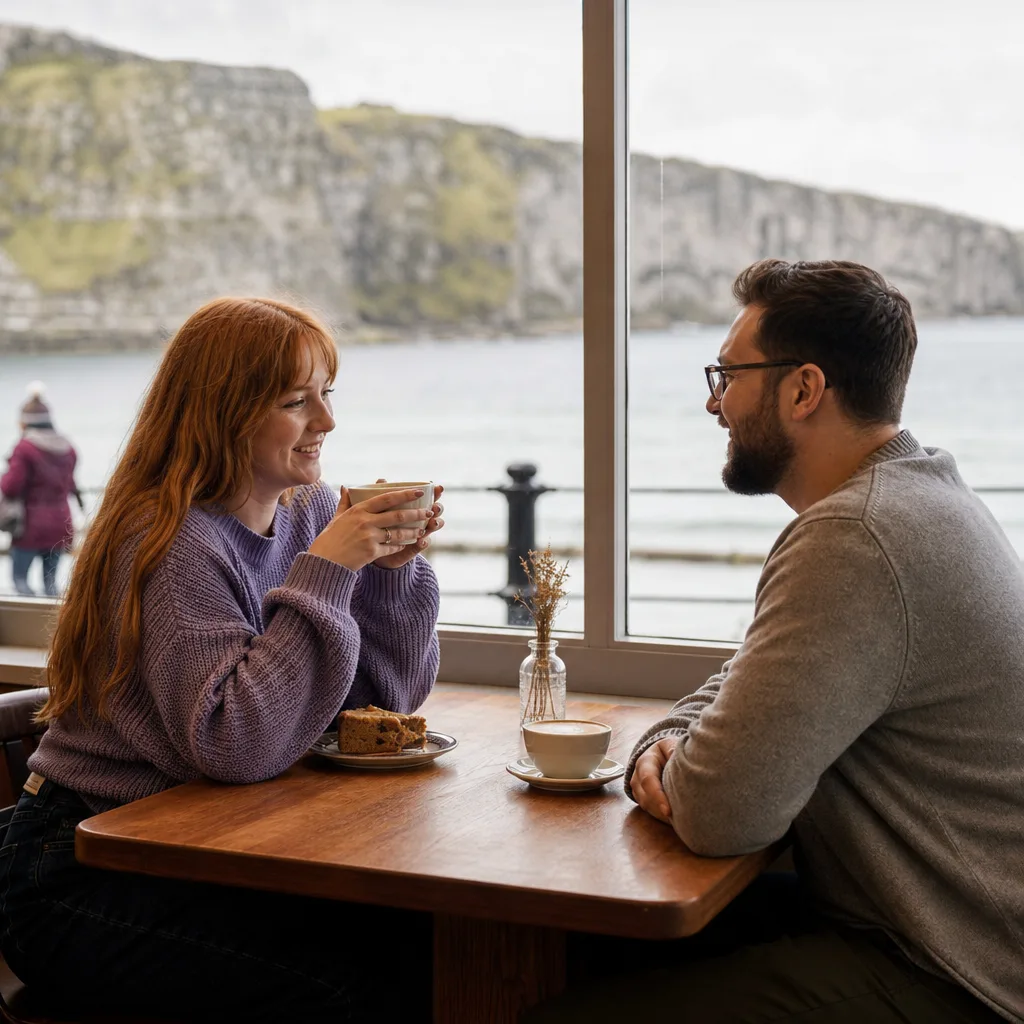
Large general apps usually offer more profiles, but more is not automatically better. You may need to sort through people seeking different kinds of relationships, vague locations and matches well beyond a practical travelling distance. A local dating site has a smaller pool but treats geography as part of compatibility. In County Antrim, that distinction matters. Carrickfergus and Newtownabbey connect naturally with greater Belfast, while Ballymena, Ballycastle and the Glens have different travel patterns. A match between Lisburn and the north coast may look reasonable inside a broad radius; a weekday coffee can still mean close to an hour each way.

Before paying, create a free profile and inspect the service for several days. Check:

Do not treat a large membership figure as proof of local activity. Search using the distance you would willingly travel on a wet Tuesday, not the distance you might tolerate for a summer weekend. That gives you a far more honest picture of the available dating pool.

Writing a profile when your old life still matters

A dating profile is not an obituary, a confession or a promise. It is simply an introduction. You control how much you say about bereavement and when you say it.

Some people write, “Widowed three years ago and now ready to meet someone for conversation, meals out and days by the coast.” That is clear without being overly personal. Others prefer not to mention widowhood publicly because colleagues, neighbours or relatives may recognise them. That is reasonable too. If a conversation begins to develop, explain your circumstances before emotional expectations build. You do not owe a stranger the intimate details of an illness, final days or family grief.

Describe your present life rather than writing only about the person you hope to find. Mention what an ordinary weekend looks like, whether you prefer a quiet pub to a crowded bar, and how far you are prepared to travel. “I like walks” gives little help. “I enjoy an easy coastal walk, Sunday lunch and live music where you can still hear the conversation” creates several natural openings.

Use recent photographs, including one clear image of your face and one showing you doing something ordinary. Avoid cropping a late partner from a wedding photograph if possible; the remaining arm around your shoulder can make the image feel more uncomfortable than intended. You need not remove your wedding ring before you feel ready, but using current pictures prevents surprises at a meeting.

Grief can also change during dating. A pleasant evening may leave you unexpectedly sad when you return home. You might compare voices, habits or humour. That does not necessarily mean you are not ready. The more useful test is whether you can remain curious about a new person without asking them to reproduce your previous relationship. If each conversation feels like an ordeal, pause the account. A reputable site should let you hide or deactivate a profile without forcing you to explain yourself.

Dating again is not a verdict on the relationship you had. Nor is deciding not to date.

Protecting your money, privacy and personal safety

Romance fraud is not caused by foolishness. Scammers use patience, attention and rehearsed stories, often speaking to several targets at once. Bereaved people can be singled out because public notices, social media posts and profiles may reveal loneliness, property ownership or changed finances.

Watch the pattern rather than one charming message. Common warning signs include intense affection before meeting, claims to live locally followed by repeated work trips abroad, excuses for avoiding a brief video call, and sudden emergencies involving travel, medical treatment, customs fees or frozen accounts. Never send money, gift cards, cryptocurrency, bank details or identity documents to somebody known only online. Do not receive or move money for them either. A convincing photograph proves very little because pictures can be copied from genuine accounts.

Keep early conversation on the dating service, where reports can be investigated. Use a first name rather than your full name, and do not publish your exact workplace, home address, daily routine or grandchildren’s details. Check what can be found by searching your own profile wording and photograph. If privacy is a concern, use a separate email address and turn off lock-screen message previews. Our guide to meeting widows and singles near you explains how to keep a search local without revealing precisely where you live.

For a first meeting, choose a familiar public place and make it short. A daytime coffee in Ballymena town centre, Carrickfergus or Newtownabbey is easier to leave than a remote walk or a full evening meal. Tell one trusted person the name shown on the profile, where you are going and when you expect to return. Arrange your own transport, keep your phone charged and avoid being collected from home.

Boundaries matter after the meeting too. Pressure to drink, anger when you say no, intrusive questions about inheritance or pensions, and efforts to separate you from friends or family are not signs of strong interest. Leave, block and report. If you have transferred money, contact your bank immediately, retain messages and receipts, and report the incident to Action Fraud. In Northern Ireland, you can also contact the Police Service of Northern Ireland; call 999 if there is an immediate danger.

Finally, inspect payment terms with the same care. Save the price page and confirmation email, note the renewal date in your calendar, and cancel through the stated method rather than merely deleting the app. Deleting an app usually does not end a subscription.

Meet people close enough to meet again

Create a local profile, set a distance that works in real life and take each conversation at your own pace. Straightforward dating for County Antrim singles, without pretending that Belfast, the Glens and the north coast are one convenient dating pool.